
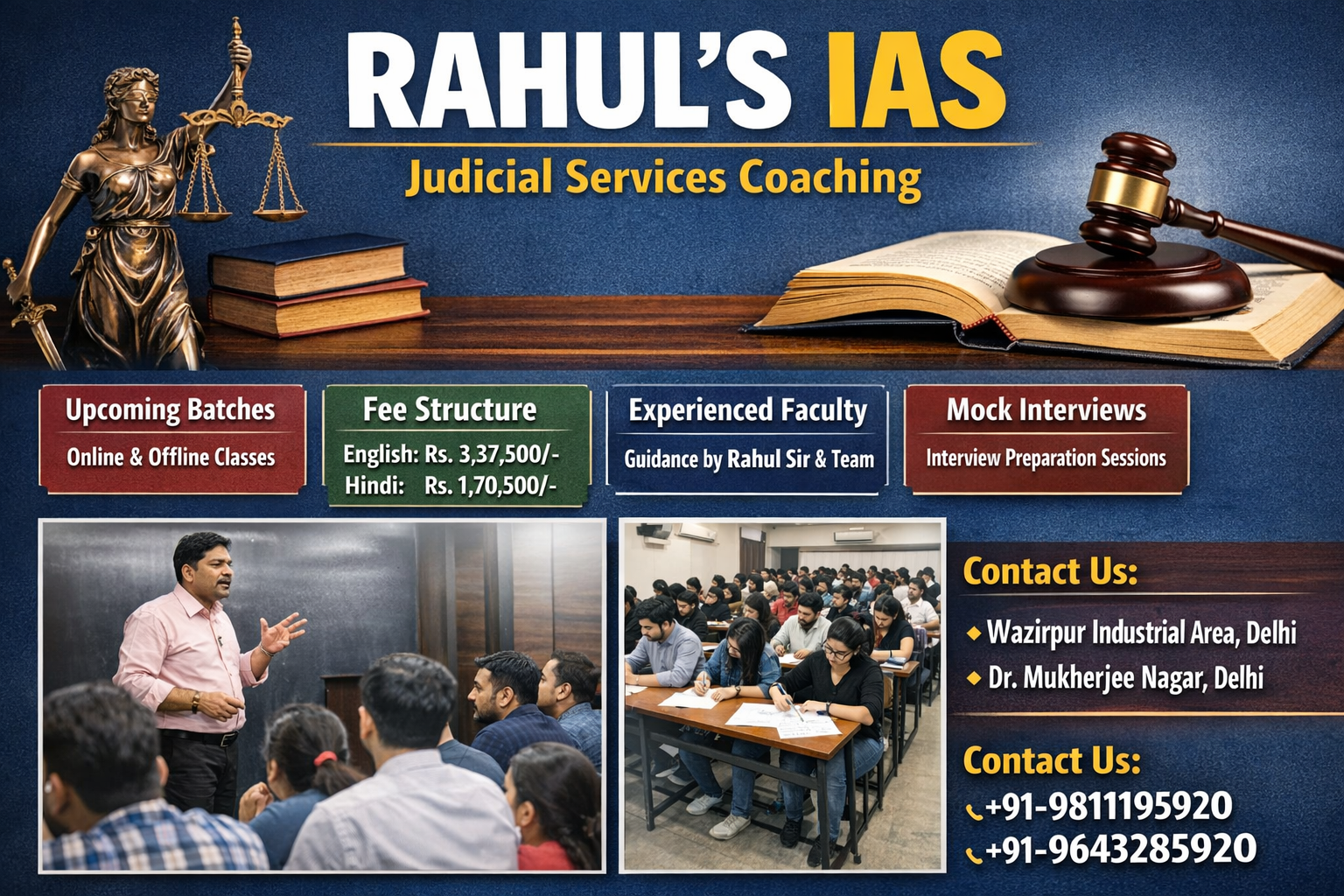
Introduction
Preparing for the Indian Administrative Service (IAS) and other civil services examinations is a demanding academic journey. Aspirants must manage vast syllabi spanning General Studies, History, Geography, Polity, Economy, Ethics, and optional subjects over sustained months of rigorous study. In recognition of this challenge, coaching institutes dedicated to UPSC Civil Services support candidates with structured programs, expert faculty, curated study materials, and comprehensive test series.
One such academy has gained attention among serious aspirants for its coaching methodologies, educational resources, and performance tracking systems. This article presents an in‑depth look at various aspects of academic preparation at the center, including batch structures, fee frameworks, teaching strategies, faculty involvement, student experiences, study materials, and contact information. The content is tailored to assist prospective learners and their families in making informed decisions about competitive exam coaching options.
Overview of Civil Services Coaching
The UPSC Civil Services Examination is conducted in three stages: Preliminary examination (objective), Main examination (descriptive written), and Personality Test (interview). Each stage requires distinct preparation strategies, conceptual depth, analytical ability, and sustained revision. Coaching centers play a significant role in helping aspirants structure their preparation, evaluate progress through regular assessment, and refine exam‑oriented strategies.
A comprehensive coaching platform offers an integrated curriculum that aligns with the UPSC syllabus, frequent mock tests for self‑assessment, expert guidance on answer writing techniques, and current affairs sessions to ensure dynamic exam readiness. The approach blends theoretical learning with practical application to build confidence and performance consistency.
Batches and Program Types
Foundation Batches
Foundation programs are designed for aspirants at the early stages of preparation, including those in their final years of undergraduate study or candidates who aim to start preparation well before their targeted exam year.
Target Candidates
- College students beginning preparation
- Aspirants aiming for a gradual build‑up of core concepts
Duration
12 months or longer.
Focus Areas
- Conceptual grounding in General Studies
- Introduction to UPSC syllabus coverage
- Fundamental reading strategies for Indian Polity and History
- Integrated analytical reading for Geography and Economy
Foundation batches focus on establishing strong basics that support deep understanding essential for advanced study and long‑term revision planning.
Regular Classroom Batches
Regular classroom batches offer structured academic delivery covering the entire UPSC syllabus, suitable for candidates aiming to complete preparation within one academic cycle.
Target Candidates
- Serious aspirants preparing full‑time
- Graduates and postgraduate candidates
Duration
8 to 12 months.
Key Features
- Comprehensive subject coverage
- Balanced focus on Prelims and Mains orientation
- Weekly topic tests and evaluations
- Group discussions and peer‑to‑peer learning
The systematic schedule helps students maintain discipline, manage time effectively, and build a study rhythm aligned with exam demands.
Weekend Batches
Weekend batches are tailored for working professionals, final year students, or aspirants balancing other commitments with civil services preparation.
Target Candidates
- Part‑time aspirants
- Working professionals preparing for UPSC
Duration
Ongoing or fixed modules spanning multiple months
Highlights
- Weekend classes for flexibility
- Recorded sessions for revision
- Focus on high‑yield topics and test strategy
Weekend programs provide flexibility without compromising on academic depth, enabling consistent preparation alongside other responsibilities.
Crash Courses
Crash or revision batches help aspirants consolidate learning and focus on targeted revision in the weeks leading up to the examination.
Target Candidates
- Aspirants who have completed core preparation
- Candidates targeting imminent exam cycles
Duration
4 to 8 weeks.
Components
- Quick revision of key topics
- High‑intensity practice sets
- Time management strategies
- Frequent practice mock tests
Crash programs help booster confidence and refine strategies in the crucial weeks before the exam.
Online and Hybrid Batches
Recognizing the rise of remote learning, comprehensive online and hybrid batch options are available for aspirants who prefer digital classes or seek geographically flexible coaching.
Features
- Live interactive online lectures
- Recorded sessions for self‑paced revision
- Digital test series platforms
- Online doubt‑clearing forums and mentor interactions
These batches combine convenience with structured teaching modules to support diverse learner needs.
Fee Structure (Indicative)
Understanding the fee structure is vital for prospective enrolment decisions. Fees typically vary based on batch type, duration, additional resources like test series, and individual mentoring support.
Foundation Batch Fees
Typical Range: INR 50,000 to INR 90,000.
These fees often include concept classes, foundational theory materials, and access to regular tests.
Regular Batch Fees
Typical Range: INR 70,000 to INR 1,20,000.
Regular batches normally include full syllabus coverage, subject tests, answer writing support, and periodic assessments.
Weekend Batch Fees
Typical Range: INR 30,000 to INR 60,000.
Weekend classes provide guided learning while accommodating outside academic or professional schedules.
Crash Course Fees
Typical Range: INR 20,000 to INR 40,000.
Fees for crash courses generally cover intensive revision, practice papers, mock tests, and strategy workshops.
Online/Hybrid Batch Fees
Typical Range: INR 25,000 to INR 90,000.
Online and hybrid options offer flexibility, recorded content, and interactive sessions suitable for remote learners.
Note: Fee ranges are indicative and may vary depending on additional study resources, mentoring packages, or extended access options.
Teaching Methodology and Academic Strategies
Effective civil services coaching institutes employ a multifaceted approach to prepare aspirants for all stages of the examination. These strategies include:
Conceptual Understanding
The core emphasis is on deep conceptual learning across subjects such as Indian Polity, Governance, Economy, Geography, History, Environment, Ethics, and Current Affairs. Faculty members guide learners through statutory frameworks, analytical lenses, and key thematic connections relevant to civil services questions.
Integrated Prelims and Mains Preparation
Rather than treating Prelims and Mains preparation as separate streams, coaching methodologies often integrate both through differentiated modules. This ensures students build a seamless understanding of objective and descriptive knowledge bases, leading to improved performance across examination stages.
Regular Evaluation and Performance Feedback
Continuous assessment through sectional tests, full‑length mock examinations, and response evaluation supports a dynamic strategy revision. Personalized analysis helps aspirants recognize strengths, tackle weaknesses, and refine approaches over time.
Answer Writing Practice
Exam‑oriented writing practice is critical for Main examination success. Structured answer writing sessions focus on presentation skills, logical flow, explanation quality, and analytical depth. Faculty evaluate responses and provide improvement guidance.
Strategic Current Affairs Integration
Current affairs represent a significant segment of both Prelims and Mains. Dedicated sessions contextualize news, policy developments, legal changes, global affairs, and government schemes, linking them to the examination syllabus.
Faculty Profile and Mentorship System
Experienced educators and scholars are central to civil services coaching success. Faculty members typically possess strong academic backgrounds, practical examination insights, and mentoring capabilities.
Subject Specialists
Experts in Indian Polity, Economy, History, Geography, Environment, Ethics, and optional subjects offer content depth, teaching wisdom, and exam insights tailored to evolving UPSC trends.
Mentors for Continuous Support
Mentorship extends beyond teaching content. Academic mentors guide aspirants on study planning, revision systems, time management, motivation, and psychological resilience throughout the preparation period.
Study Materials and Learning Support
High‑quality study resources are essential for competitive exam success. Coaching institutes design comprehensive materials that facilitate self‑study, revision, and concept reinforcement.
Printed and Digital Notes
Students receive curated notes covering static portions of the syllabus with summaries, frameworks, comparative charts, and reference points to support memorization and conceptual clarity.
Test Series and Practice Papers
Regular practice through test series helps aspirants refine speed, accuracy, question interpretation, and examination temperament. Comparative analysis and score trends assist in evaluating readiness.
Current Affairs Compendiums
Monthly or weekly news digests support systematic current affairs preparation, helping aspirants connect real‑world developments with core syllabus components and essay themes.
Interactive Platforms
Online learning platforms and discussion boards enable query resolution, peer learning, and academic collaboration across geographical boundaries.
Classroom Environment and Academic Culture
Classroom culture plays a significant role in shaping the study experience. Conducive academic environments promote disciplined study routines, peer motivation, and collaborative learning.
Structured Timetabling
Well‑designed timetables allocate dedicated hours for theory sessions, practice tests, revision, and self‑study, providing aspirants with clear academic flow.
Peer Interaction and Group Learning
Group discussions, peer question exchanges, and debate forums stimulate critical thinking, broaden perspectives, and strengthen overall subject grip.
Administrative Support
Dedicated support teams help manage class schedules, study pack distribution, test coordination, and academic logistics, offering students a seamless preparation experience.
Student Reviews and Feedback
Comprehensive coaching programs attract feedback across key areas such as faculty quality, curriculum coverage, test series effectiveness, mentorship, and revision support.
Positive Feedback Highlights
- Clarity in teaching core topics and conceptual foundations
- Balanced emphasis on Prelims and Mains preparation
- Extensive practice tests with detailed analytical feedback
- Encouragement of writing and analytical expression
- Focused current affairs integration with core syllabus
Constructive Feedback Patterns
- Some students seek more personalized one‑on‑one mentoring
- Variability in pace of curriculum delivery across batches
- Desire for additional revision workshops closer to exam dates
Overall, student reviews suggest that consistent effort, disciplined routine, and active engagement with academic resources significantly improve examination performance outcomes.
Admission and Enrollment Process
Prospective aspirants typically follow a structured enrollment process as outlined below:
- Academic counseling sessions to assess preparation level
- Batch selection based on goals and timelines
- Registration with required academic background information
- Fee submission with options for installment plans
- Orientation outlining syllabus milestones and study roadmap
- Commencement of classroom or online sessions
This structured approach enables aspirants to embark on their preparation journey with clarity and direction.
Contact Details Table
| Institute Name | Website | Gmail | Contact |
|---|---|---|---|
| Rahul’s IAS | https://rahulsias.com/ | rahulsiaslaw@gmail.com | 011-27374215 |
Frequently Asked Questions (FAQs)
Q1. What subjects are covered in the civil services coaching curriculum?
A1. Core areas include Indian Polity, History, Geography, Economy, Environment, Ethics, General Science, Current Affairs, and optional subjects such as Public Administration, Sociology, or Literature.
Q2. How are prelims and mains preparation integrated?
A2. Coaching often offers an integrated strategy that combines objective practice for prelims with descriptive writing and analytical skills for mains, ensuring seamless preparation.
Q3. Are current affairs included in the study plan?
A3. Yes, regular current affairs sessions, weekly news analyses, and monthly digests form a key component of the preparation strategy.
Q4. What is the role of mock tests in preparation?
A4. Mock tests simulate examination conditions, help with time management, evaluate strengths/weaknesses, and build confidence under timed constraints.
Q5. Is online coaching as effective as classroom coaching?
A5. Online coaching can be highly effective when it includes live interaction, regular assessments, recorded sessions, and responsive academic support.
Q6. How important is answer writing practice?
A6. Answer writing is crucial for mains success as it develops logical expression, content structure, and analytical articulation.
Q7. Can working professionals prepare for exams through coaching?
A7. Yes, flexible batches such as weekend or online programs allow working aspirants to balance preparation with professional commitments.
Q8. How long does it take to prepare for civil services exams?
A8. Preparation timelines vary, but a structured plan of 8 to 18 months is common for comprehensive syllabus coverage and revision.
Q9. Is mentorship offered during preparation?
A9. Many focused coaching programs include mentorship components to help aspirants with planning, motivation, and performance review.
Q10. What distinguishes advanced revision batches from regular ones?
A10. Advanced revision batches concentrate on consolidation, practice intensity, quick recall strategies, and mock test refinement closer to exam dates.
